
Most people do not have a content problem. They have a workflow problem.
They have photos sitting in their camera roll. They have ideas saved in notes. They have products, outfits, trips, tutorials, or personal projects they could post about. But turning those raw materials into videos, captions, thumbnails, and short-form content takes time.
That is why AI generators have become so useful.
They do not magically create a brand for you. But they can take one idea and help you turn it into several pieces of content quickly for creators, small businesses, and solo marketers, that can make the difference between posting once a month and posting consistently.
The timing makes sense. Deloitte’s 2025 Digital Media Trends report found that 56 per cent of Gen Z and 43 per cent of millennials surveyed say social media content is more relevant to them than traditional TV or movie content (Deloitte, 2025). Meanwhile, Goldman Sachs Research expects the creator economy to approach $480 billion by 2027 (Goldman Sachs, 2023).
In other words, social content is not just entertainment anymore. It is where discovery, trust, and buying decisions often start.
Start With One Strong Visual
A good AI content workflow usually starts with one strong asset.
That could be:
- a product photo,
- a portrait,
- a travel picture,
- a fashion image,
- a pet photo,
- a logo mockup,
- or a simple screenshot.
From there, the creator decides what the asset should become. Should it be funny? Useful? Aspirational? Educational? Trend-driven?
This question matters more than the tool. A weak idea with AI still feels weak. A clear idea can become surprisingly effective with the right generator.
For example, if someone has a static photo and wants to make it feel alive for TikTok, Reels, or Shorts, an AI dance generator can turn that image into a short movement-based clip. This works well for playful content, music trends, event promotions, fan edits, and light brand awareness posts.
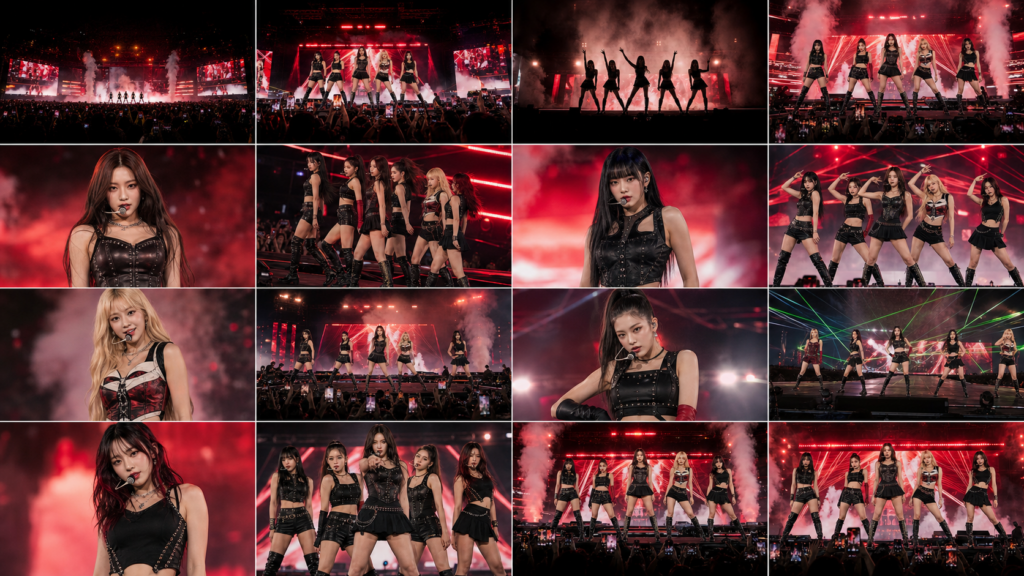
The best results usually come from simple source images: one clear subject, good lighting, and no cluttered background.
A Simple Dance Video Workflow
Here is a practical way to create a dance-style post from one photo:
- Choose a photo with a clear full-body or upper-body subject.
- Pick a dance style that matches the audience.
- Keep the first version short, ideally 5-10 seconds.
- Add captions or a quick hook.
- Export in vertical format for short-form platforms.
- Review the final video before publishing.
A simple hook could be:
“POV: your product launch finally gets approved.”
Or:
“When the weekend trip leaves the group chat.”
The idea does not need to be complicated. Short-form content works best when people understand the joke or message instantly.
But there is a caveat. AI movement can sometimes look unnatural. If a hand bends oddly or a face shifts too much, regenerate or choose a simpler motion. Human review is still part of the process.
Turning a Character Into a Content System
AI generators are also changing how brands think about recurring characters.
Not every company can afford a human creator, studio setup, or regular model shoots. But many still need a consistent visual personality for social posts, ads, product explainers, and campaign tests.
That is where an AI influencer generator can be useful. It can help creators build a consistent digital persona for visual experiments, social storytelling, or brand-led content.

The smartest use is not pretending the character is a real person. It is building a clear creative asset.
For example, a skincare brand could create a clean, friendly digital character for tutorial-style posts. A gaming page could create a recurring host for weekly updates. A productivity tool could create a visual mascot for tips and short explainers.
To keep it consistent, create a simple character guide:
- name,
- age range,
- visual style,
- tone of voice,
- wardrobe,
- background setting,
- topics they talk about,
- topics they avoid.
This makes future content easier to produce and less random.
Authenticity Still Matters
AI content is getting easier to make, but audiences are also getting more selective.
TikTok’s 2026 trend forecast says users are moving into “discovery mode” and expect brands to provide value, not just fill the feed (TikTok, 2026). That is an important warning for anyone using AI tools.
More content is not always better content.
A virtual influencer, dance clip, or AI-generated video should still have a reason to exist. It should teach something, entertain someone, show a product clearly, or help a viewer make a decision.
There are also disclosure issues. The FTC’s influencer guidance says material brand relationships should be disclosed clearly, including in social media content (FTC). If AI-generated characters are used in advertising, brands should be careful not to mislead users about identity, endorsement, or product results.
The safer rule is simple: use AI to make content production easier, not to fake trust.
How to Turn One Asset Into Five Posts
Here is a simple weekly workflow:
Post 1: Turn the original image into a short dance or motion clip.
Post 2: Use the same image as a thumbnail for a tip post.
Post 3: Create a behind-the-scenes caption explaining the idea.
Post 4: Use a digital persona to present a product benefit.
Post 5: Make a carousel showing the before-and-after versions.
This approach saves time because the creator is not starting from zero every day. One image becomes a small content system.
For a small business, this could be a product launch week. For a creator, it could be a personal brand series. For a blogger, it could be a way to make written content easier to promote on visual platforms.
Final Thoughts
AI generators are not a shortcut around creativity. They are a shortcut around repetitive production.
The creators who get the most value from them usually do three things well: they start with a clear idea, choose the right tool for the format, and review the final output carefully.
A dance generator can make a static image feel alive. A digital influencer tool can help build a consistent visual persona. Together, they give small teams and individual creators more room to experiment.
The goal is not to post more noise. The goal is to make better ideas easier to publish.

Anna Hans
Anna leverages her expertise in AI and marketing to craft engaging, impactful content that resonates with audiences and drives results.
View all postsComments 0
No comments yet. Start the conversation!