Creating engaging visual content can take considerable time, especially when you need to turn a simple idea into an image, animation, or short video. Today, AI-powered creation tools are making this process much easier for creators, marketers, and social media users.
Instead of starting with complicated editing software, creators can use AI video tools and visual creation platforms to experiment with ideas, transform existing media, and produce content faster. The result is a more accessible creative workflow, even for people without advanced design skills.
Why AI Visual Creation Tools Are Becoming Increasingly Popular Among Creators
Visual content is now central to social media, marketing, education, and online communities. As audiences become more accustomed to images and short videos, creators are looking for simpler ways to produce content without spending hours on traditional editing.
- Faster content production: AI can automate parts of image and video creation, reducing the time needed for repetitive editing tasks.
- Lower creative barriers: Users can experiment with visual concepts without advanced graphic design or video editing skills.
- More creative possibilities: AI makes it easier to test different styles, effects, compositions, and visual ideas.
- Better support for social media: Quick image and video creation helps creators keep up with the demand for fresh content.
- Easy experimentation: Creators can turn a basic concept or existing photo into something completely different with only a few inputs.
How AI Visual Creation Tools Turn Ideas into Engaging Content
AI-powered visual creation tools help creators turn ideas into content with fewer manual steps. They can generate images, transform photos, apply effects, and create short-form videos.
Turn Simple Ideas into AI-Generated Visuals
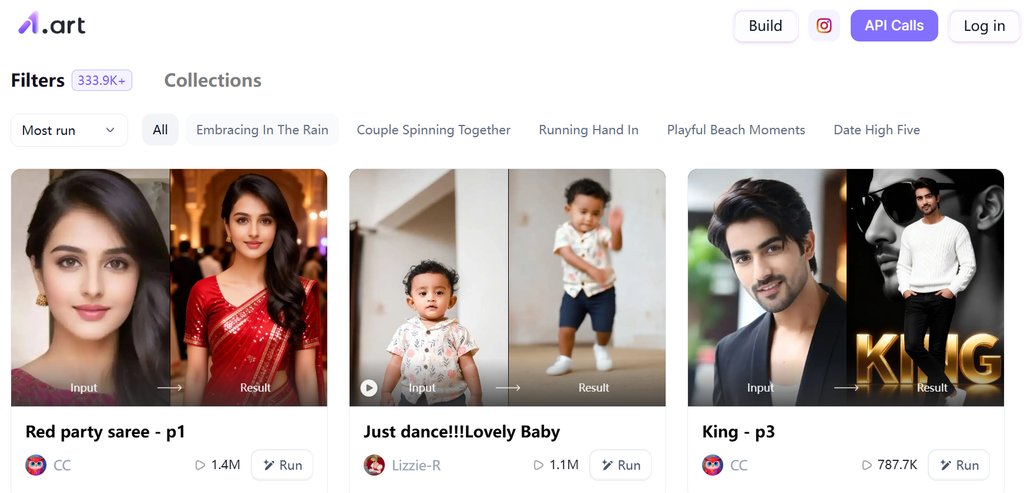
When an idea is easier to describe than to design, an AI image creation platform can help turn that concept into a visual starting point. AI visual tools allow users to explore visual concepts, generate artwork, and experiment with different directions without building everything manually from scratch. This makes it useful for brainstorming, social posts, creative projects, and other visual content.
Transform Photos into More Creative Content
Not every project needs a completely new image. Sometimes, an existing photo can become more engaging with the right effects or transformation. Usgen focuses on this type of creative experience, using AI effects to turn ordinary photos and moments into more dynamic content. Its effects include options such as Vision Breeze, Commanding Walk, Bond Tempo, Scene Lustre, Vision Glimpse, and Bond Whirl, giving users different ways to experiment with photos and create shareable visual moments.
Experiment with Different Styles and Visual Concepts
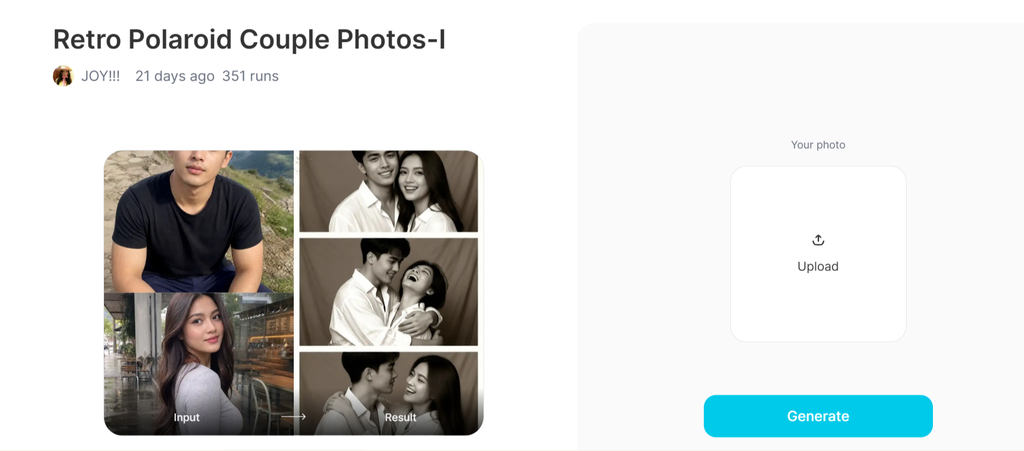
AI creation tools also make experimentation easier. Instead of committing to one visual direction, creators can try multiple styles and concepts before deciding what works best. A1.art is suited to exploring different AI-generated image styles and creative ideas, while Usgen provides more ways to experiment with effects applied to photos and videos. Using different approaches can help creators discover visual ideas they may not have considered initially.
Create Social-Ready Images and Videos Faster
Speed matters when creating content for platforms such as Instagram, TikTok, and YouTube Shorts. AI visual tools can reduce the amount of traditional design and editing required, making it easier to prepare images and short videos for social media. Creators can use AI to develop an initial concept, enhance an existing photo, or produce an eye-catching effect, then make final adjustments before publishing.
How to Choose the Right AI Visual Creation Tool
Not every AI visual creation platform is designed for the same purpose. The best option depends on what you want to create and how much control you need over the final result.
Consider these factors before choosing a tool:
Step 1. Start with your content type. Decide whether you mainly need images, photo transformations, short videos, or a combination of formats.
Step 2. Consider your starting point. Some tools work better when starting from a text idea, while others are designed around existing photos or videos.
Step 3. Check the available styles and effects. A wider selection can be useful if you regularly experiment with different creative concepts.
Step 4. Look at ease of use. A simple interface can save time when you need to create content frequently.
Step 5. Think about your publishing platform. Make sure the resulting images or videos fit the format and style of the platforms where you plan to share them.
Practical Ways to Get More Creative Results with AI Visual Tools
AI can speed up content creation, but the quality of the final result still depends heavily on how you approach the creative process. A few simple habits can make AI-generated content feel more intentional and original.
- Start with a clear concept. A specific idea usually produces a more useful starting point than a vague request.
- Try multiple variations. Generate or transform several versions instead of immediately settling on the first result.
- Combine AI with your own editing. Small changes to composition, text, timing, or cropping can make the result feel more personal.
- Use existing media creatively. A familiar photo can become new content when paired with an unexpected effect or visual treatment.
- Match visuals to your audience. Consider the platform, audience expectations, and purpose of the content before choosing a style.
- Keep experimenting. Some of the most interesting results come from testing combinations that were not part of the original idea.
The goal is not to let AI decide what to create. Instead, creators can use these tools as a flexible starting point for exploring ideas and producing visual content more efficiently.
Conclusion
AI visual creation tools are making image and video production more accessible to a wider range of creators. From generating visuals from simple ideas to transforming existing photos with creative effects, these platforms can reduce repetitive work while opening up new possibilities for experimentation. The most effective approach is to treat AI as part of the creative workflow rather than a complete replacement for human creativity.

Anna Hans
Anna leverages her expertise in AI and marketing to craft engaging, impactful content that resonates with audiences and drives results.
View all postsComments 0
No comments yet. Start the conversation!