Here’s something most productivity gurus won’t tell you: your environment is doing more damage or more good than your morning routine ever could. Work habits have quietly become the single biggest differentiator between professionals who consistently deliver and those who feel permanently behind schedule.
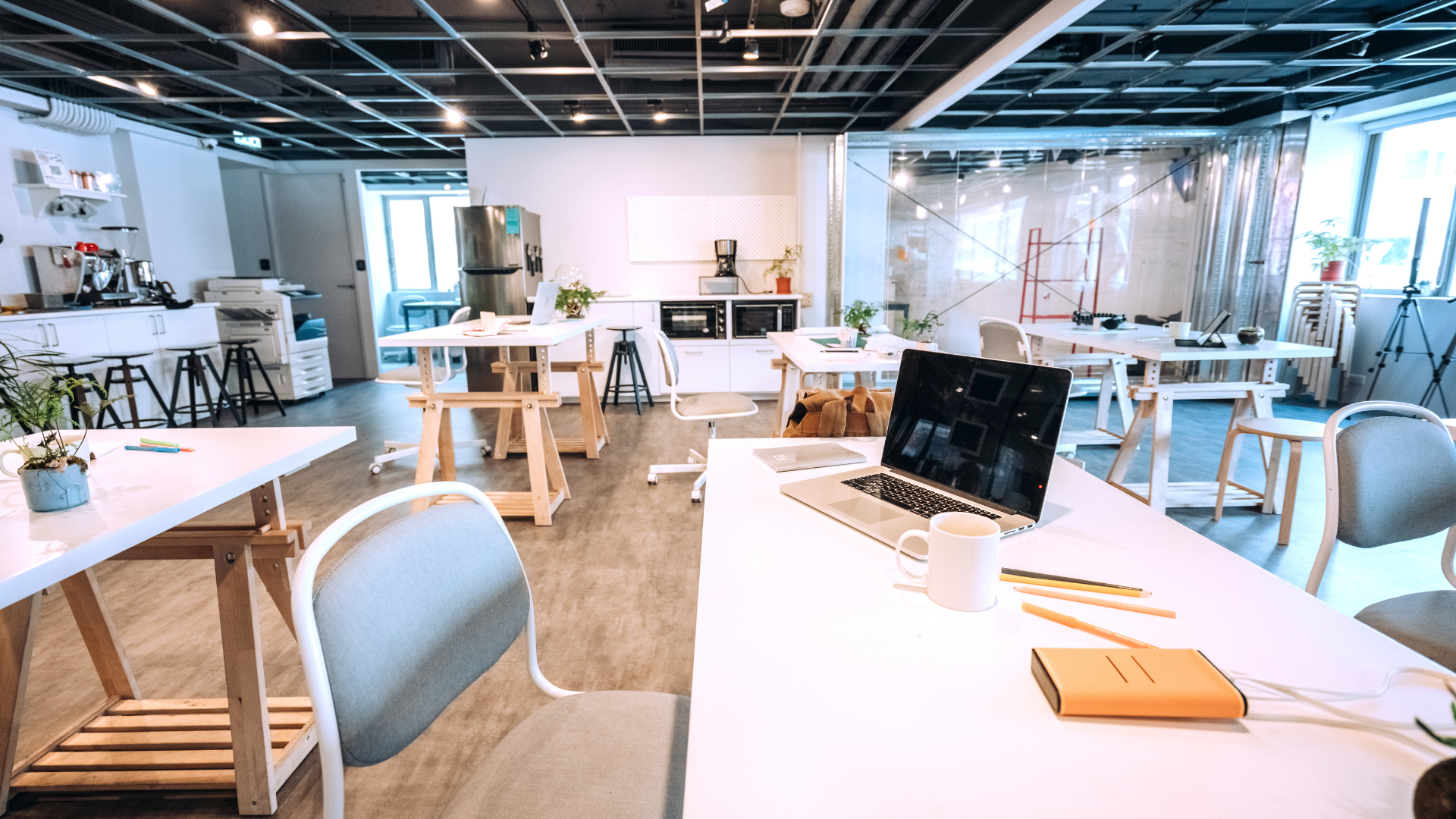
Shared workspaces have fundamentally changed how people structure their days, offering the kind of rhythm that home offices rarely provide. The momentum behind flexible workspaces is real, and so are the coworking benefits professionals are reporting. If employee productivity matters to you, and it should, where you work deserves far more scrutiny than it typically gets.
How Shared Workspaces Are Actively Reshaping Daily Work Habits
The transformation isn’t marginal. It’s foundational. Shared environments directly influence the habits, decisions, and routines that determine how productive a professional actually becomes on any given Tuesday.
From Rigid Schedules to Real Flexibility
Traditional offices were built for a different era, with fixed hours, assigned seating, and bureaucratic structure. That model worked once. It doesn’t anymore. Flexible workspaces give you genuine agency over how your workday unfolds.
The research reflects this clearly. More than half of workers affiliated with coworking spaces describe them as environments chosen specifically for their advantages in work–life balance, well-being, and performance. That’s not a marginal preference; that’s people voting with their feet.
Where the Industry Is Heading and How to Stay Ahead of It
The shared workspace landscape is evolving fast. Understanding what’s coming helps you position yourself well ahead of it.
Micro-Office Networks and Hybrid Flexibility
Part-time desk usage is growing sharply. Professionals can now access distributed networks of workspace locations rather than anchoring to a single spot. This model is expanding particularly fast in North Dallas, where professionals are increasingly using decentralized office nodes to stay productive across the metro area.
Choosing office space in North Dallas connects you to a market purpose-built for this approach, one that actively supports your routine rather than disrupting it.
AI-Powered Workspace Personalization
Smart reservation systems are now recommending optimal desk locations based on your task type. AI-powered platforms analyze usage patterns and send personalized reminders that reinforce routine adherence. These tools are alive in forward-thinking coworking venues today, and they’re becoming sharper every month.
The Workspace Features That Actually Drive Productivity
These outcomes aren’t accidents. They’re the result of thoughtfully designed spaces built to support sustained focus and professional momentum.
Autonomy and Customization: Two Things Employees Actually Need
Autonomy drives performance. When people have genuine control over their hours and environment, output improves consistently. Shared workspaces let members choose between hot desks for flexible days and private offices for deep work. The space adapts to what you need rather than forcing you to adapt to it.
| Feature | Traditional Office | Shared Workspace |
| Schedule Flexibility | Fixed hours | Choose your own |
| Desk Customization | Assigned seating | Hot desk or private office |
| Networking Opportunities | Limited to colleagues | Cross-industry daily |
| Cost Structure | Long-term lease | Month-to-month membership |
| Amenities Access | Basic | Fully stocked, premium |
Technology Infrastructure That Doesn’t Get in Your Way
Flexibility means nothing if your connection drops mid-presentation. Most quality shared workspaces offer high-speed internet, often up to 200 Mbps, alongside smart conferencing tools and app-based booking systems. These aren’t perks tacked on for marketing materials. They’re the operational backbone that ensures flexibility never compromises efficiency.
When technology works seamlessly, you spend your time on actual work. Simple as that.
Design and Wellness Features That Sustain Performance
Technology handles operations. Design handles humans. Ergonomic furniture reduces physical fatigue, biophilic elements like natural light and greenery improve mood and focus, and wellness amenities, such as quiet lounges, meditation areas, and proper ventilation, help employees reset and return to their work sessions recharged.
A tired, uncomfortable professional rarely maintains strong routines for more than a few weeks. Great workspace design removes that variable entirely.
Practical Strategies for Getting the Most from a Shared Workspace
Inspiration is a starting point. Strategy is what creates lasting change. Here’s how to translate a shared workspace into genuine work routine improvement.
Time-Blocking With Intention
Time-blocking is the most effective scheduling method professionals can bring into flexible workspaces. Designate specific windows for deep work, communication, and administrative tasks, then protect those blocks the same way you’d protect a client meeting. Tools like Notion or Todoist integrate cleanly with this approach. When your schedule has structure, consistency builds on itself rapidly.
Plugging Into the Community Around You
Personal structure matters enormously. So does the community reinforce it. Attend member events, peer workshops, and networking sessions at your workspace. These interactions aren’t just professional perks; they create social accountability. When colleagues notice your presence, you’re far less likely to drift.
Digital Tools That Reinforce Routine
Pair human accountability with technology. Calendar apps, Pomodoro timers, and focus tools like Freedom or Focusmate are well-suited to the shared workspace context. Layering these with your workspace’s own booking system keeps your schedule and your environment working in the same direction.
What Real-World Results Actually Look Like
Theory is useful. Proof is better.
Case Studies Worth Paying Attention To
North Dallas has emerged as a hotspot for professionals who’ve left traditional office arrangements behind. One financial consultant working from a shared environment in the area reported completing client deliverables 30% faster after establishing a consistent morning arrival routine. A small creative agency attributed a nearly 50% reduction in operational overhead alongside improved team communication directly to their coworking membership.
These aren’t isolated stories. Over half, 55% of global corporations now use flexible workspace solutions, with coworking having evolved into a core corporate real estate strategy for hybrid teams and satellite offices. Work routine improvement isn’t theoretical here. It’s documented.
Hearing It Directly From the People Living It
One marketing strategist said it plainly: I didn’t realize how much my home setup was sabotaging my mornings until I started showing up here. Now my day has structure. That sentiment is echoed broadly; survey data consistently show that coworking members rate their focus, motivation, and professional identity significantly higher after making the switch.
Choosing a Shared Workspace That Actually Works for You
What to Evaluate Before Committing
Location affects more than your commute; it affects the mental boundary between home and work, which matters more than most people initially expect. Evaluate pricing transparency, amenity quality, and community culture with equal rigor. Always request a trial day. Spend a full session there before signing anything.
North Dallas as a Coworking Market
North Dallas has developed into one of Texas’s most dynamic coworking environments, a rare combination of accessibility, modern infrastructure, and active community programming. The density of both corporate and entrepreneurial professionals creates a naturally energizing backdrop for building the kind of routines that actually stick.
Premium amenities, free parking, enterprise-grade connectivity, and on-site management are increasingly standard here, removing the friction points that undermine routine consistency elsewhere.
Common Questions Answered Honestly
1. Can introverts thrive in shared workspaces?
Absolutely. Most offer quiet zones, private offices, and solo-focused environments. The key is matching the space to your working style.
2. Are there hidden costs to watch for?
Most reputable providers are transparent. Still, verify what’s included: internet, printing, meeting room credits, and parking before signing.
3. How do these spaces handle security and confidentiality?
Quality venues use keycard access, secure Wi-Fi, private offices, and documented data handling protocols. Verify security standards if you’re handling sensitive client information.
Start Building Something That Actually Lasts
Shared workspaces are not a passing trend. They’re a proven structural framework for building the daily consistency that drives real employee productivity. Flexible scheduling, robust technology, intentional design, and genuine community- these aren’t marketing promises. They’re the documented reasons work routine improvement happens in these environments at scale.
Willpower alone won’t build a sustainable routine. The right environment will. If you’re ready to experience what purposeful flexible workspaces genuinely feel like, schedule a tour in North Dallas today and start building the kind of daily structure that actually produces results.

Amelia
Amelia is a skilled writer specializing in AI, creating engaging content that informs and inspires. She stays ahead of the latest trends to help businesses connect with their audience in a rapidly evolving digital world.
View all postsComments 0
No comments yet. Start the conversation!